
Migrating from Sage 200 to
Sage Intacct
Unlock automation, real-time visibility, and a future-ready finance function.









5 Common Signs You’ve Outgrown Sage 200
1.
Month-End Too Long
Sage 200 often requires lengthy reconciliations and manual journal adjustments to get the books closed. With Sage Intacct, AI-powered automation streamlines the process, reduces errors, and gives finance teams back valuable days each month that can be reinvested into analysis and strategy.
2.
Spreadsheets & manual reporting
If your team is still consolidating data in Excel, Sage 200 is holding you back. Sage Intacct replaces manual spreadsheets with real-time dashboards and automated reporting. Finance leaders can drill into entity, department, or project-level detail instantly, making it easier to share accurate insights across the business without hours of manual effort.
3.
Multi-entity & multi-currency issues
As your business expands, Sage 200 becomes more complex to manage. Intercompany transactions, eliminations, and foreign currency adjustments are often slow and error-prone. Sage Intacct automates consolidation across multiple entities and currencies, providing real-time group-level visibility, faster compliance, and confidence in your financial data.
4.
Lack of flexibility for remote working
In today’s hybrid world, relying on on-premise or hosted Sage 200 systems can restrict secure access for distributed teams. Sage Intacct is 100% cloud-native, allowing finance teams to log in anywhere, anytime, on any device. This ensures collaboration across departments, faster approvals, and the flexibility to keep business moving without being tied to the office.
5.
Limited scalability for growth
When acquisitions, new business lines, or international expansion are on the horizon, Sage 200 may not grow with you. Sage Intacct is designed for scalability, supporting additional entities, currencies, and complex reporting structures without costly workarounds. It gives finance leaders the confidence to scale operations smoothly while maintaining real-time visibility and control.
Migrating from Sage 200 to Sage Intacct
Sage 200 has supported thousands of UK businesses for many years. But today’s finance leaders are under increasing pressure to modernise, automate, and provide strategic insights faster. Traditional on-premise systems can hold businesses back — slowing reporting, creating manual workarounds, and making it harder to keep up with multi-entity operations or regulatory change.
Sage Intacct is a powerful, AI-enabled, cloud-native platform designed for growing and mid-sized organisations that have outgrown Sage 200. It automates multi-entity consolidation, handles multi-currency transactions, and provides real-time reporting that eliminates reliance on spreadsheets. With Intacct, finance teams gain the visibility and efficiency to shift from number-crunching to true strategic partnership — driving smarter decisions and supporting business growth with confidence.

Why Businesses Move from Sage 200 to Sage Intacct
Move beyond static Excel exports. Create real-time dashboards that drill into entity, department, or project-level detail — instantly available for decision makers.
Simplify complex project costing, revenue recognition, and contract reporting. Automated workflows improve accuracy and speed up cash collection.
Easily manage multiple currencies, exchange rates, and compliance requirements. Expand internationally without adding layers of complexity.
Strengthen internal controls with built-in audit trails, role-based access, and compliance-ready workflows designed to keep your business safe and efficient.
From acquisitions to new service lines, Sage Intacct scales seamlessly, supporting your growth without forcing costly system overhauls.
Multi-Entity Consolidation
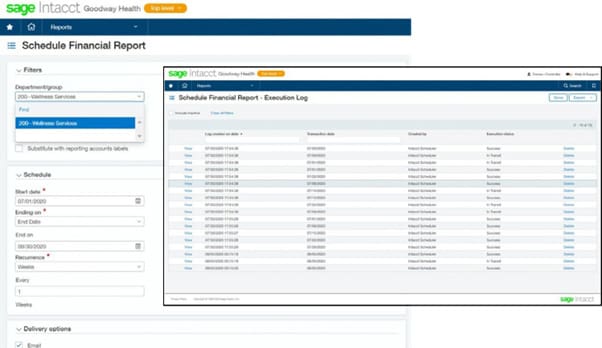
Automate intercompany eliminations, streamline consolidation across subsidiaries, and produce accurate group-wide reports in minutes. With Sage Intacct, finance teams gain real-time visibility into performance across every entity, currency, and location — without relying on spreadsheets or manual reconciliations.

Improved Month-End Close
Real-Time Dashboards & Reporting
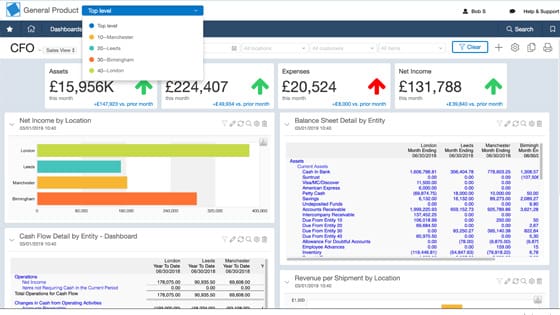
Stay in control with role-based dashboards and on-demand financial insights. Sage Intacct gives you instant drill-down visibility into every transaction, contract, and cost driver, so you can move beyond static spreadsheets and make decisions based on live data. Customisable views ensure every stakeholder — from finance teams to operational managers — gets the clarity they need.

Cloud-Native Access

Scalable Growth





Which UK Organisations Migrate from Sage 200 to Sage Intacct?
Not every business will hit the limits of Sage 200 at the same time. The trigger often depends on size, structure, or growth ambitions. From multi-entity groups to service-led organisations, many UK businesses find themselves spending too much time on manual processes, workarounds, and spreadsheets. When finance becomes the bottleneck, it’s usually a clear sign it’s time to move to Sage Intacct.
| Organisation Type | Typical Characteristics | Migration Trigger (Why Move Beyond Sage 200?) |
|---|---|---|
| Multi-Entity Groups | Holding companies, multi-subsidiary businesses, diversified groups. | Manual consolidation across subsidiaries and currencies is too slow; board demands faster group reporting. |
| Growing Professional Services Firms | Consultancies, agencies, IT services, legal, accountancy. | Struggling to link timesheets, projects, and billing in Sage 200; need real-time project profitability reporting. |
| Construction & Contracting | Main contractors, subcontractors, developers. | Complex project accounting and CIS compliance overwhelm Sage 200; need automated WIP, retention, and multi-project oversight. |
| Facilities Management Providers | Hard FM, Soft FM, TFM providers. | Multiple contracts, SLAs, and cost centres make Sage 200 reporting cumbersome; need automated contract-level reporting. |
| Charities & Non-Profits | UK-based charities, membership bodies, social enterprises. | Funding and grant tracking are difficult in Sage 200; auditors demand greater transparency and real-time reporting. |
| Healthcare & Care Providers | Private care homes, clinics, healthcare service groups. | Multiple sites/entities; need to manage budgets, staffing, and compliance across locations. |
| International Businesses | UK HQ with overseas subsidiaries or branches. | Increasing complexity of foreign currency and intercompany transactions; Sage 200 cannot automate global consolidation. |
Proven Migration Methodology
Moving to Sage Intacct doesn’t have to be complicated. Our proven migration programme is designed to take you live in just 8 weeks (with one of our Accelerators), and can take up to 9 months..
Here’s what you could expect:
Week 1
Scope & Templates
We confirm the scope of your project and provide a walkthrough of the migration templates. This ensures your team understands exactly what information is needed and how it will flow into Sage Intacct.
Week 2
Data Preparation
Your finance team populates the templates with opening balances, year-to-date figures, and one year of nominal movement. This step ensures clean, structured data for migration.
Week 3
Install & Configure
We install and configure Sage Intacct with your chart of accounts and core settings. The system is aligned to your existing structures with room for controlled adjustments.
Week 4-5
Self-Paced Training
Your team completes structured online modules designed to build confidence with Sage Intacct. This allows users to learn flexibly while progressing towards go-live readiness.
Week 6-7
Review & Testing
A consultant reviews your progress with three hours of guided support. Two testing workshops follow, helping your team validate the setup, resolve issues, and prepare for a smooth transition.
Week 8
Go Live & Hypercare
You go live with Sage Intacct. Our team provides two weeks of hypercare support, including troubleshooting and hands-on guidance, to ensure confidence during your first reporting cycle.
Optional
Chargeable Add-ons
- Training sessions
- Printed template edits
- Extended hypercare (max6 weeks, inc month-end)
- Financial Report Writer training
- Report Writer training
Download
Comparison Guide
Sage 200 Migration to Sage Intacct Training FAQs
Why choose itas as your Sage partner?
We really know our stuff
We take the hassle away with effective project management
We help you get up and running quickly with training that delivers results
We are good people to work with that genuinely care about your business
We are just a phone call away with no automated queues
We are big enough to deliver, but small enough to care
