
Sage 200 vs Sage Intacct Comparison
If your business has outgrown Sage 200, migrating to Sage Intacct is the natural next step.Fast-growing businesses need finance systems that keep pace. When the burden of manual processes, siloed data, or limited reporting starts slowing things down, it’s a signal to level up. Sage Intacct provides the tools to automate, consolidate, and lead from the front.
Sage 200 is a strong platform for many mid-sized UK businesses, but it’s not built to handle the operational and reporting demands of rapid expansion. As you scale, whether through acquisitions, international operations, or evolving revenue models, the burden of manual work, siloed systems, and reporting delays can quickly become a barrier to progress. What once worked well becomes the very thing holding you back.
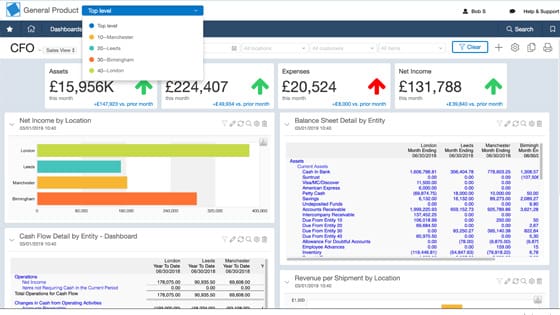
Sage Intacct is designed for exactly these moments of transition. It offers native support for multi-entity, multi-currency operations with automated intercompany transactions, consolidated reporting, and continuous audit readiness. Finance leaders get real-time dashboards, powerful drill-down capabilities, and process automation from day one, without bolt-ons or complex middleware.
Sage Accounting Options
Sage 50:
Streamlined for Small/Start-up Businesses
Sage 50 is entry-level accounting software for small businesses and start-ups, offering essential accounting features, but limited scalability.
Sage 200 Standard: Growing Your Business Effectively
Sage 200 Professional: Advanced Financial Management
Sage Intacct:
Scalable Cloud-Based Excellence
Compare Sage 200 and Sage Intacct
Sage 200 Standard

Functionality
- Expanded financial features compared to Sage 50
- Greater Accounting control - Ability to open and close periods
- Sales and purchasing functionalities
- Cloud enabled via a Windows App
Modules
- Financials (General ledger, Accounts Payable, Accounts Receivable, Cashbook)
- Sales Order Processing
- Purchase Order Processing
- In-built Excel reports
Sage 200 Professional

Functionality
- Comprehensive financial management
- Advanced business intelligence
- Inventory Management
- Workflow automation
- Manufacturing, Construction & Distribution capabilities
Modules
- All modules from Sage 200Standard, plus cashbook
- Business Intelligence
- Inventory management
- Workflow automation
- Industry functionality for manufacturers, construction
Sage Intacct
Functionality
- Robust cloud-based financial management
- Advanced automation and customisation
- Enhanced Approvals on purchasing
- Budget Management
- Strong project accounting capabilities
- Subscription billing for businesses with recurring revenue models
- Multi-dimensional ledgers & reporting
- Multi-entity accounting, Inter-entity Processing & Eliminations
- Expense Management (Invoicing & tracking)
- Fixed Asset Management
- Fund management
- Basic Inventory management
- Open API & Marketplace Solutions
Modules
- Core financials (General ledger, Accounts payable, Accounts Receivable)
- Project tracking, costing and billing
- Revenue Management
- Multi-Currency
- Advanced consolidation
- SaaS metrics
- Purchasing
- Advanced financial reporting and dashboards
- Fixed Assets
- Contract Management
What are the main differences between
Sage 200 vs Sage Intacct?
| Feature | |||
|---|---|---|---|
| Cloud-Based Platform | |||
| Core Financials | |||
| Invoicing and Expenditure | |||
| Inventory Management | |||
| Project Costing | |||
| Business Intelligence | |||
| Consolidated Accounts | |||
| In-Built Purchase Approvals | |||
| Contract Management | |||
| Multi-Dimensional Reporting | |||
| Advanced Financial Reporting | |||
| Fixed Assets Management | |||
| Scalability | |||
| Manufacturing and Supply Chain Management | |||
| Construction | |||
| Multi-Currency Support | |||
| Inter-Company Transactions | |||
| Mobile Access | |||
| User Permissions and Security | |||
| Charity NFP options | |||
| Marketplace Integrations |
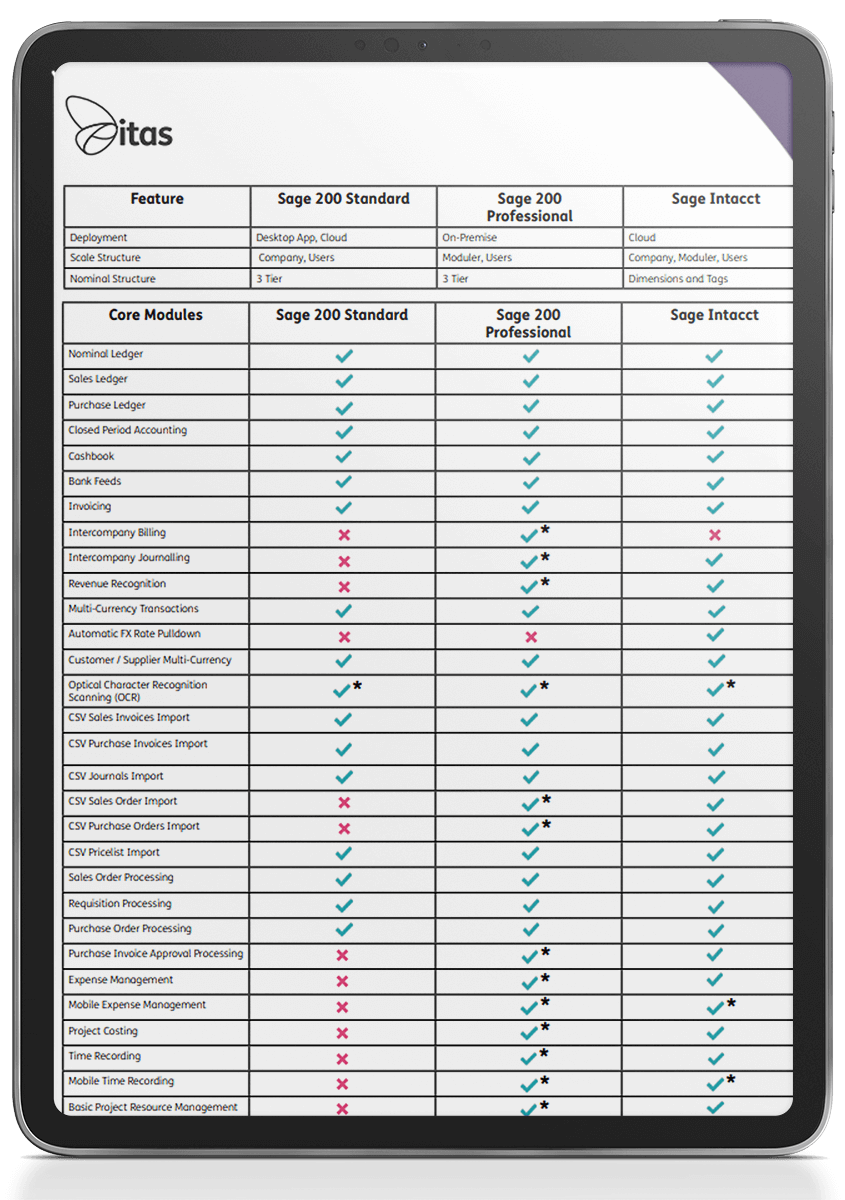
SIDE-BY-SIDE COMPARISON
Sage 200 VS Sage Intacct Feature Comparison Matrix
Download our free matrix to get a side-by-side comparison of Sage 200 and Sage Intacct and see which product is best suited to your business' needs!
Sage Accounting Software Comparison: FAQs
A: Sage 200 can manage multiple entities, but it requires manual effort or external tools to consolidate financials across those entities. This often involves time-consuming workarounds—exporting data into spreadsheets, handling intercompany eliminations by hand, and struggling to produce group-level reports quickly and accurately.
Sage Intacct, by contrast, is built specifically for multi-entity businesses. It automates intercompany transactions, supports shared or separate charts of accounts, and delivers real-time, consolidated reporting with full drill-down capability. Whether you're dealing with different currencies, jurisdictions, or reporting standards, Intacct handles it natively—no add-ons, no waiting until month-end.
From a CFO's perspective, this means more time spent on strategic analysis and less on reconciliation. Consolidated views are available at the click of a button, helping you respond faster to board queries, investor requests, and operational changes. It also means stronger audit readiness and fewer risks around manual error.
Sage 200 vs Sage Intacct: What Makes the Difference?
Manual Month-End Close
Sage 200 relies heavily on spreadsheets and manual reconciliations. Intacct automates consolidations, approvals, and journal entries—cutting close times and reducing risk significantly across all entities.
Disconnected Entities
Managing multiple entities in Sage 200 requires duplication and manual reporting. Intacct consolidates entities automatically, giving you real-time, accurate visibility across the group—no spreadsheet stitching required.
Revenue Recognition Workarounds
Sage 200 lacks native revenue recognition, often needing bolt-ons or workarounds. Intacct handles subscription, milestone, or project-based revenue seamlessly—keeping you audit-ready and compliant by default.
Limited Reporting Agility
In Sage 200, Excel is often the go-to reporting tool. Sage Intacct delivers real-time dashboards, dimensional reporting, and KPI tracking—helping finance teams drive faster decisions with confidence.
Audit & Compliance Risk
Sage 200 provides basic audit trails, but limited control at scale. Intacct includes user-based permissions, approvals, and logging—helping meet GDPR, audit, and internal control requirements easily.
Integration Bottlenecks
Sage 200 integrations usually require third-party connectors or middleware. Intacct’s open API supports seamless connections to CRM, payroll, and project tools—keeping your systems in sync effortlessly.
Scaling Struggles
Sage 200 was designed for UK-centric businesses with simpler needs. Intacct supports multi-currency, multi-GAAP, and global tax compliance—perfect for fast-growing, international or multi-site organisations.
Saved 10% on International Projects
Speak to a Sage Specialist
Why choose itas as your Sage Intacct partner?
- We really know our stuff
- We take the hassle away with effective project management
- We help you get up and running quickly with training that delivers results
- We are good people to work with that genuinely care about your business
- We are just a phone call away with no automated queues
- We are big enough to deliver, but small enough to care
- We will ensure a smooth transition from your old platform to your new
